
Debunking Myths: The Real Impact of Karate on Physical and Mental Health


Understanding the Physical Benefits of Karate
Karate is often seen as just a method of self-defense, but its benefits extend far beyond this narrow perception. Engaging in regular karate practice can significantly improve physical health. It offers a comprehensive workout that enhances strength, flexibility, and endurance.
One of the primary physical benefits of karate is its ability to enhance cardiovascular health. The high-intensity nature of karate drills helps in burning calories and improving heart function. Additionally, karate movements require the use of various muscle groups, promoting overall muscle development and joint flexibility.
Boosting Coordination and Balance
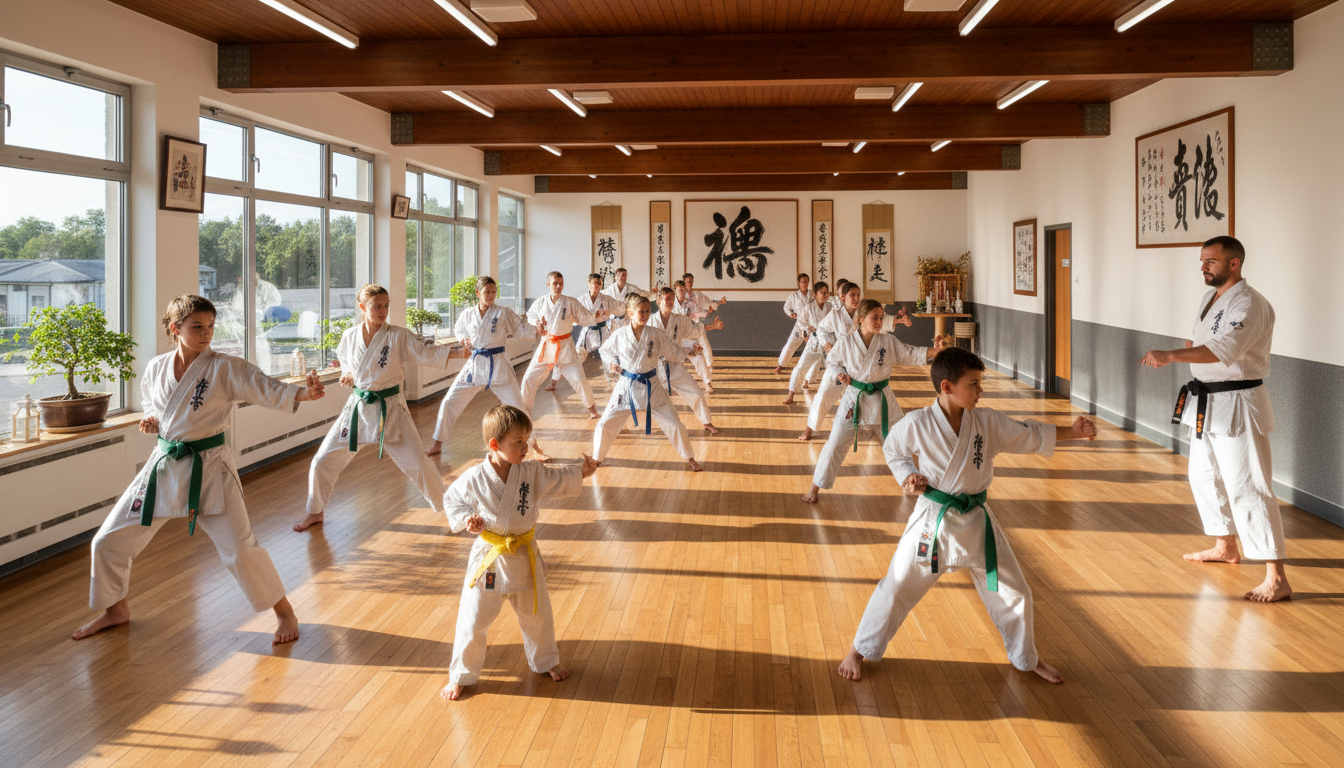
Karate demands a high level of coordination and balance. Practitioners must learn to execute moves with precision, which enhances their motor skills. This improvement in coordination can contribute to better performance in other physical activities and reduce the risk of injuries.
Furthermore, the repetitive practice of kata, or forms, requires practitioners to maintain balance while transitioning through different stances. This not only strengthens core muscles but also improves overall stability.
Mental Health Benefits of Karate
Beyond physical advantages, karate offers substantial mental health benefits. The discipline required in karate training fosters a sense of focus and perseverance. Practitioners learn to set goals and work diligently to achieve them, which can translate into improved mental resilience.
Stress Reduction and Emotional Well-being
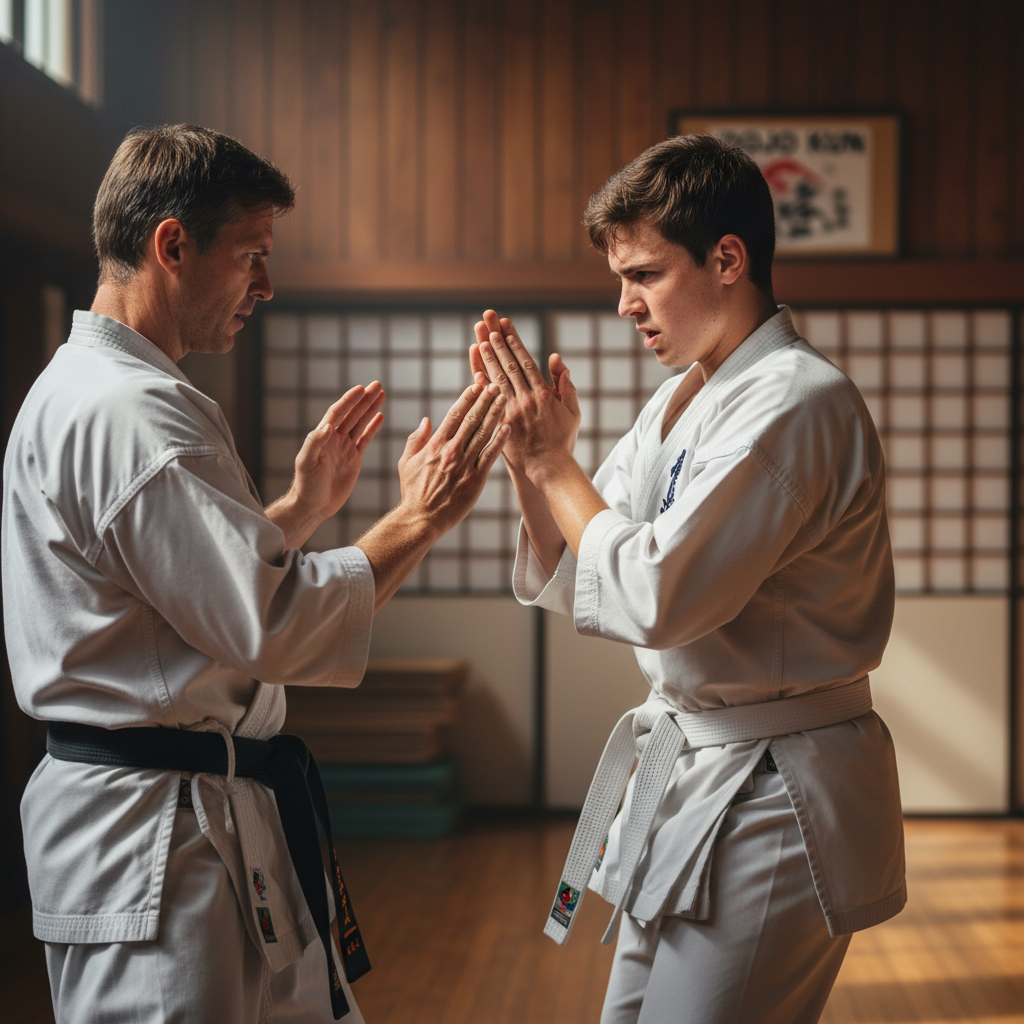
Karate can be an effective form of stress relief. The physical exertion involved in karate releases endorphins, which are natural mood lifters. Moreover, the meditative aspects of karate, such as controlled breathing and concentration, help in reducing stress levels and promoting emotional well-being.
Participating in karate also helps build self-esteem and confidence. As practitioners progress through the ranks, achieving new belts and mastering techniques, they gain a sense of accomplishment and self-worth.
Debunking Common Myths About Karate
Despite its numerous benefits, several myths about karate persist. One common misconception is that karate promotes violence. In reality, karate teaches self-control and respect for others. It emphasizes defense over aggression and encourages practitioners to avoid physical confrontations whenever possible.
Karate for All Ages
Another myth is that karate is only suitable for young people. In fact, karate can be practiced by individuals of all ages. Many programs offer tailored classes that cater to different age groups and fitness levels, ensuring that everyone can enjoy the benefits of karate.
By debunking these myths and understanding the true impact of karate on physical and mental health, more people can appreciate and embrace this ancient martial art as a holistic approach to well-being.