
Unlocking Potential: The Impact of Karate Programs on Youth Development in Canada


The Role of Karate in Youth Development
Karate is more than just a martial art; it's a holistic approach to youth development that is gaining popularity across Canada. Beyond the physical benefits, karate programs offer a range of advantages for young people, including improved discipline, confidence, and social skills. As parents and educators explore ways to enhance youth development, karate emerges as an impactful option.
In Canada, karate programs are being integrated into community centers and schools, providing children with an opportunity to engage in a structured and supportive environment. These programs not only focus on physical fitness but also emphasize mental and emotional growth.
Building Physical and Mental Strength
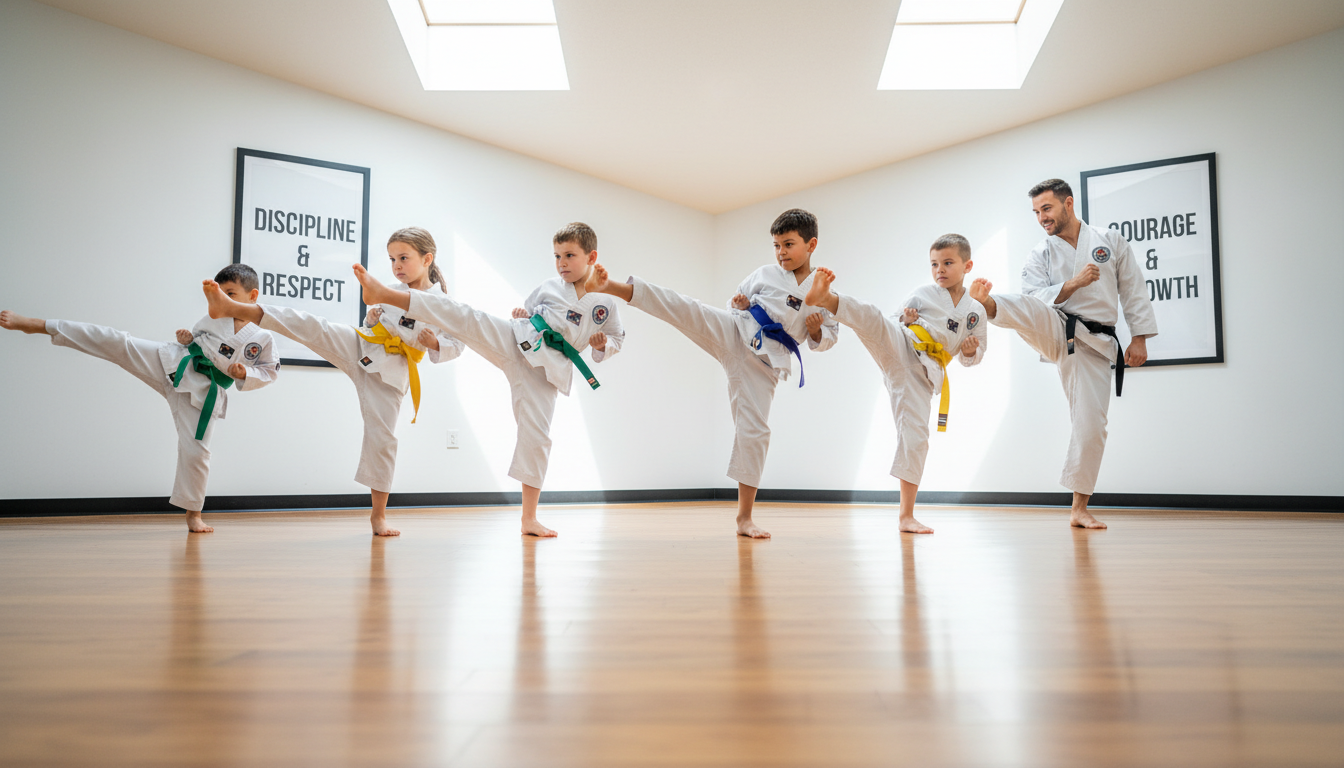
Karate's impact on physical health is well-documented. It improves flexibility, strength, and coordination, promoting a healthy lifestyle from a young age. However, the mental benefits are equally significant. Karate practitioners learn to focus, set goals, and develop perseverance through consistent practice and training.
This martial art instills a sense of discipline, teaching children the value of hard work and dedication. As they progress through different belt levels, they experience a tangible sense of achievement, boosting their self-esteem and confidence.
Fostering Social Skills and Teamwork
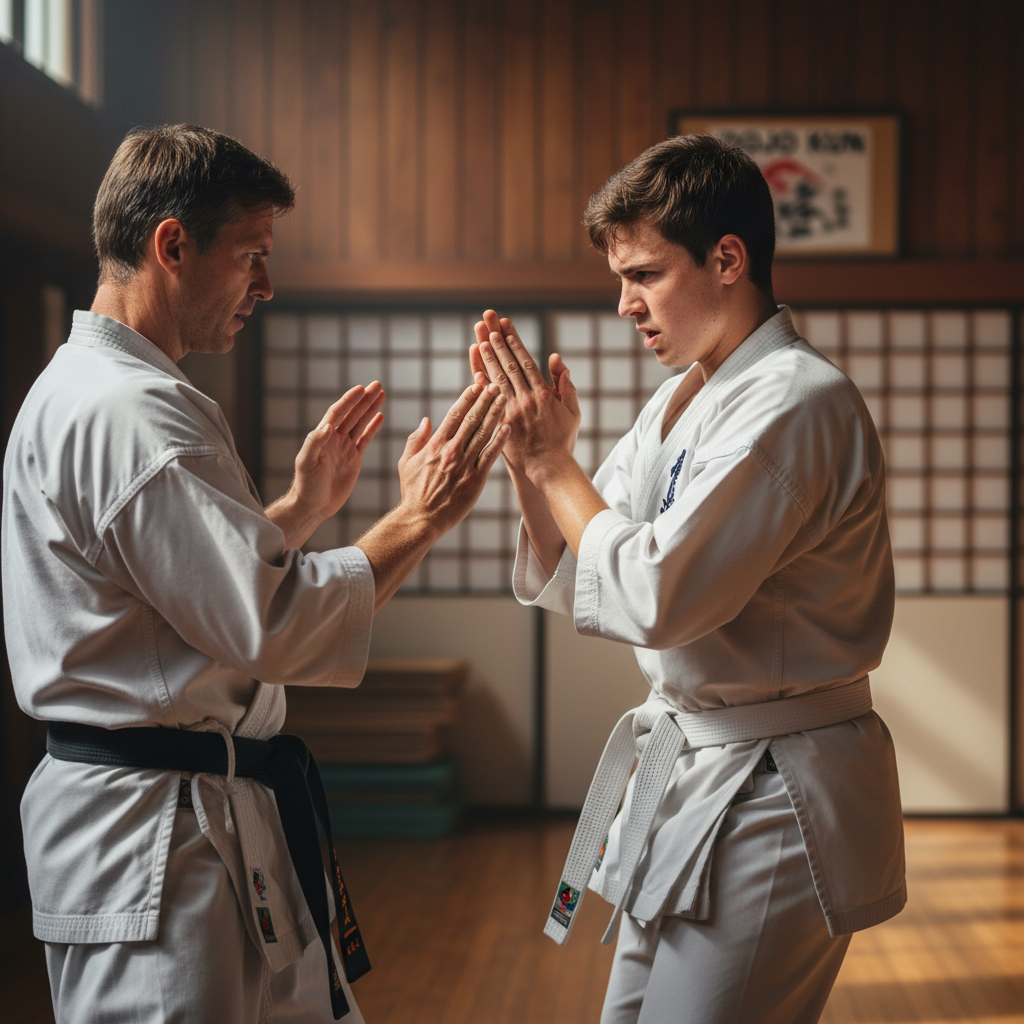
Karate classes often involve partner work and group activities, fostering social interaction and teamwork. Children learn to communicate effectively and respect their peers, which is crucial for their social development. The dojo environment encourages camaraderie and mutual support, helping young people build lasting friendships.
Additionally, karate promotes cultural awareness and respect for diversity. As children learn about the history and traditions of karate, they gain appreciation for different cultures and perspectives, broadening their worldview.
Encouraging Emotional Resilience
Participating in karate helps children manage stress and develop emotional resilience. The practice teaches them to remain calm under pressure and handle challenges with grace. These skills are invaluable as they navigate the complexities of growing up.
Moreover, the discipline required in karate can lead to improved academic performance. Students often report better concentration and study habits, attributing these improvements to the focus and discipline learned in their karate classes.
Conclusion: A Pathway to Success
Karate programs in Canada are unlocking the potential of young people by providing them with the tools they need to succeed in various aspects of life. From physical fitness to emotional intelligence, the benefits are extensive and long-lasting. By investing in these programs, communities are fostering a generation of confident, respectful, and well-rounded individuals.
As interest in karate continues to grow, more children will have the opportunity to experience its profound impact. For parents and educators seeking comprehensive development opportunities for youth, karate stands out as a powerful and transformative option.